Qailula is an Arabic term used for the nap you take after a big meal, especially when the weather starts to get cold. Your hosts and cooks, Samar and Wania, present a five course meal inspired by the foods of Persia and South Asia using seasonal Canadian ingredients. Between each course they will share their knowledge of their unique cuisine along with bedtime stories to entertain. It will be a night of genuine warmth and comforting foods — a delicious prologue to the coziest of naps.
----
Welcome 'Sleepy Girl Sherbet'
We will begin with a festive welcome 'mocktail' consisting of calming chamomile infused with pomegranate! A perfect way to set the tone for the dishes to come.
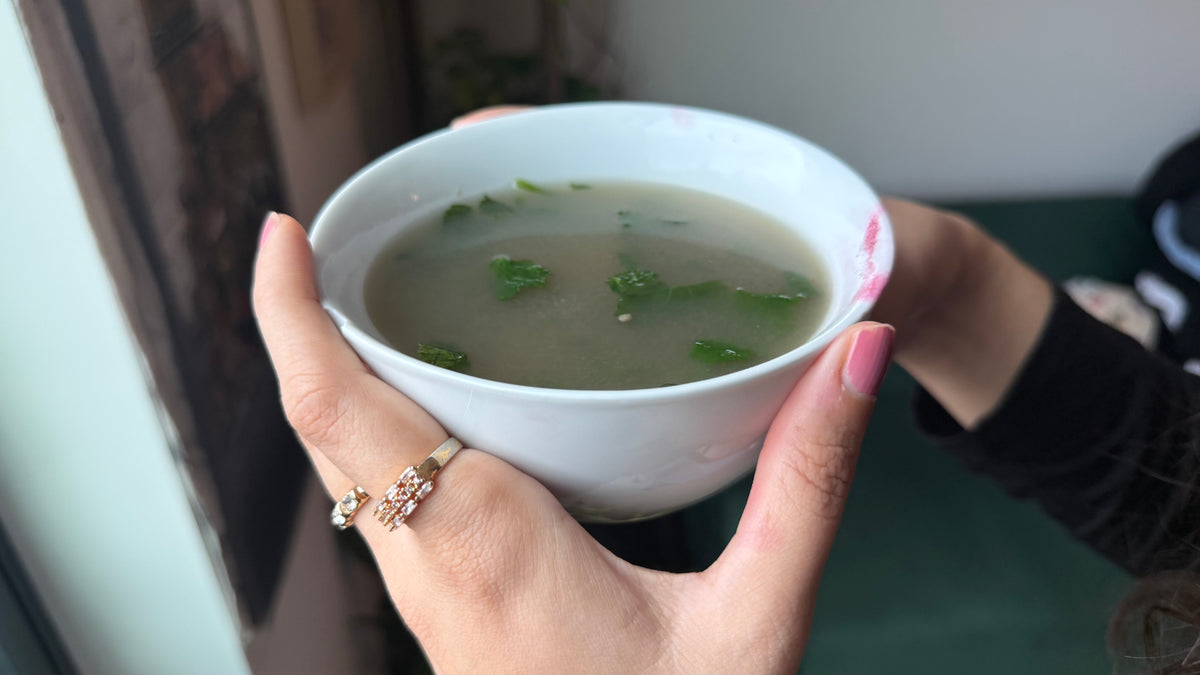
Yakhni (Bone Broth) with Fresh Bread
The word yakhni is associated with a broth or stock made by simmering meat, bones, herbs, and aromatics. Yakhni asks us to think about nourishment that takes time. The broth is simmered until the liquid has fully soaked up all of the flavour. Rich and hearty this course embraces the concept of rest and that some things cannot be hurried.
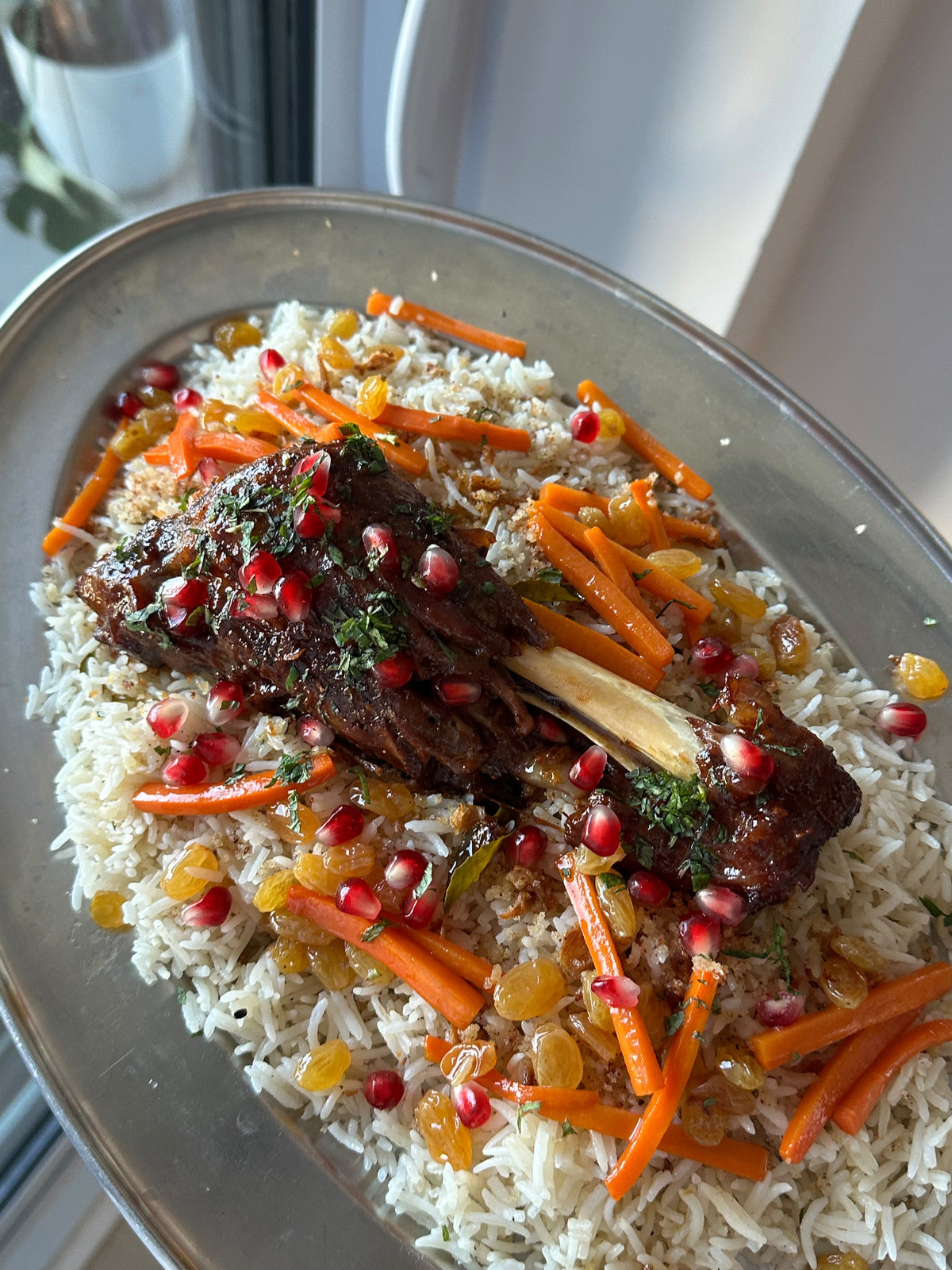
Slow Cooked Lamb Shank with Kabuli Pulao
A decadent gift from Central Asia, this rice pilaf has become the national dish of Afghanistan. Through the migration and arrival of Afghan refugees in Pakistan, it became one of the most known pulaos in that country as well. Bejeweled with essential ingredients of the region such as pistachios, almonds and dried fruits, caramelized carrots are added and the rice soaks up the rich fat and juices from the lamb.
Torshi & Kachumbar
The word torshi is associated with pickled vegetables, particularly across Persian, Afghan, and Middle Eastern culinary traditions while Kachumbar-style salads are found across South Asian cuisines, generally combining chopped vegetables with acidity and herbs. The sourness and acidity of pickles and the freshness of kachumbar provide contrast to rich dishes.
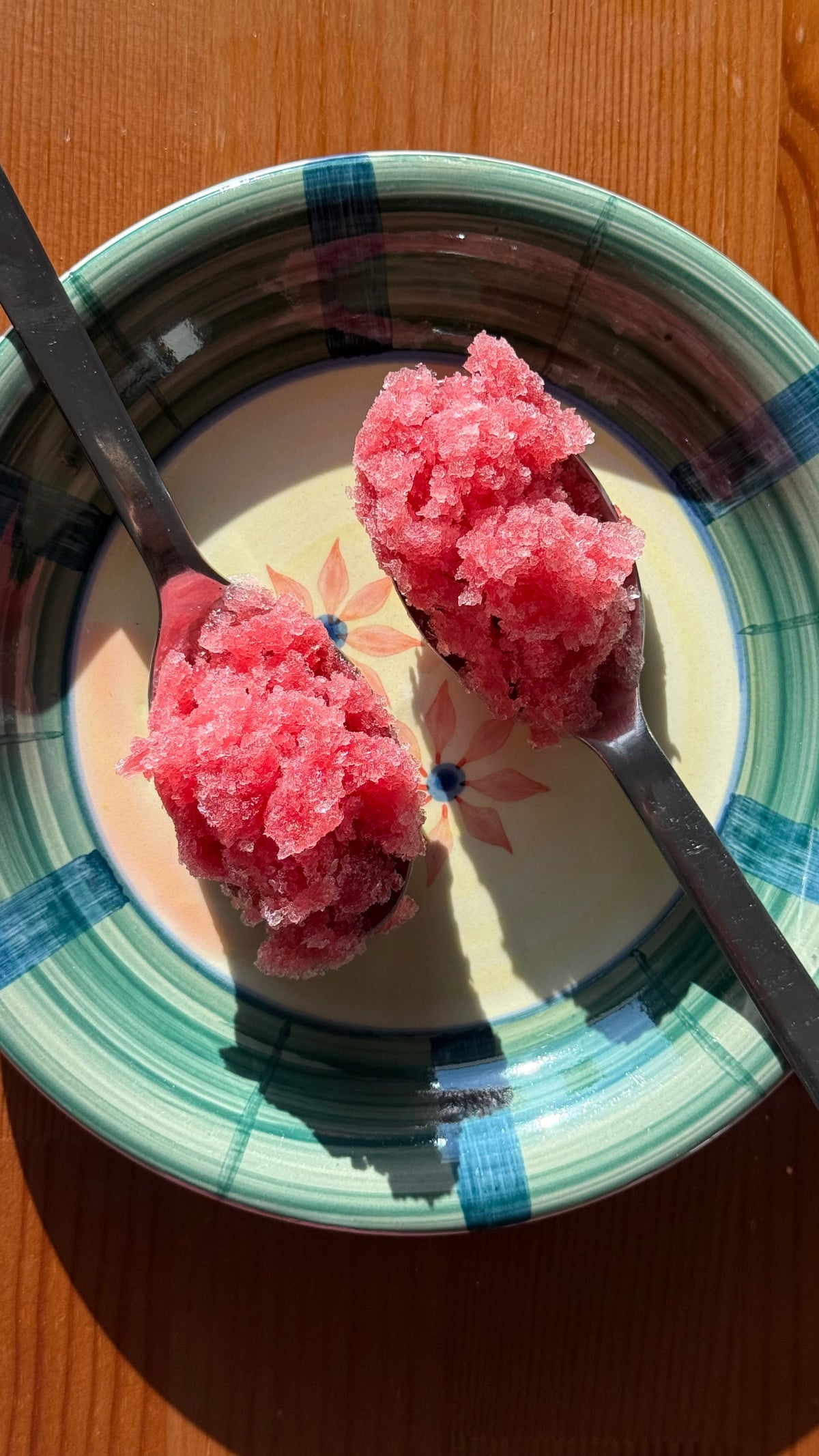
Pomegranate Granita with Basil
For a meal built around warmth, fat, meat, rice, and milk, something cold and bright will provide a delicious contrast. Pomegranate has travelled through many of the food cultures that inform this menu, so we use it here in the form of a granita (Italy's semi-frozen treat) as a reset before dessert.
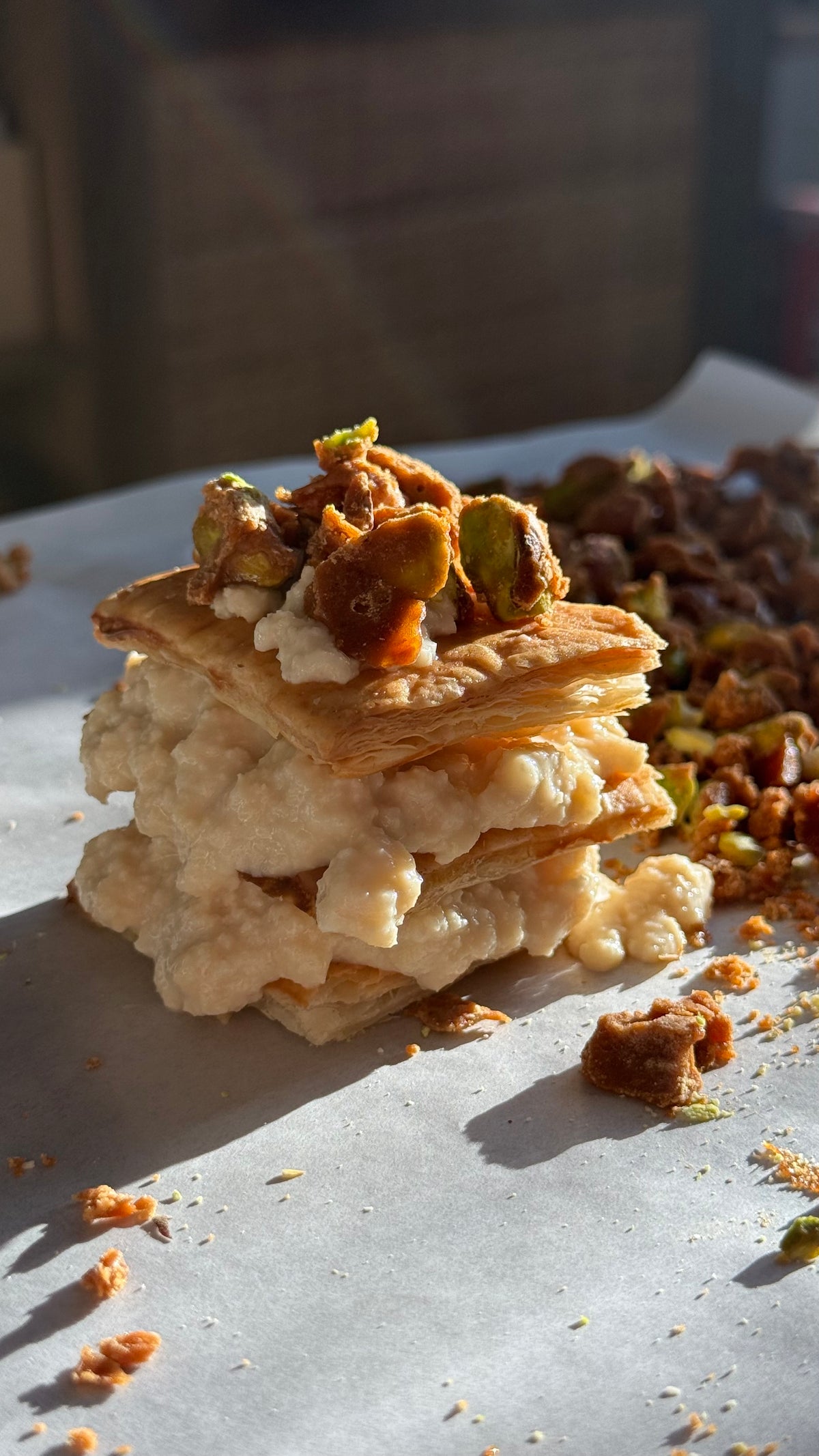
Warm Khoya Milk with Mille-Feuille
Khoya (aka mawa) is a concentrated dairy product made by slowly reducing milk until much of the water evaporates, leaving behind a dense, rich milk solid. Mille-feuille comes from the French pastry tradition of laminated layers. Both are time-intensive to prepare and they each are rich in dairy. Ending on a warming note to prepare you for an early night's rest.
Saunf Parcels
Saunf (fennel seeds) are commonly offered after meals across South Asia, particularly in
restaurants and homes. They are associated with freshening the mouth. Each diner will get their own parcel to take home. They also help with digestion!
----
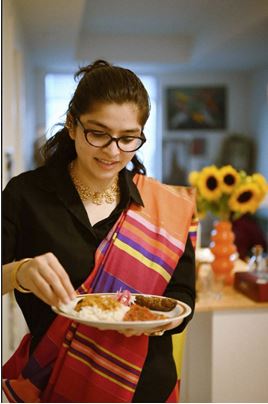
Samar Salman is a chef and food writer based in Toronto, originally from Karachi,
Pakistan. She trained at Le Cordon Bleu London and worked at the three-Michelin-starred Lecture Room at Sketch, under Pierre Gagnaire. Alongside her kitchen work, she has spent years running her own South Asian food project, writing essays on the region's ingredients, techniques, and culinary history. Her work sits at the intersection of classical technique and South Asian food culture, covering food systems, culinary tradition, and the politics of what ends up on a plate. At present she is developing a supper club series in Toronto.
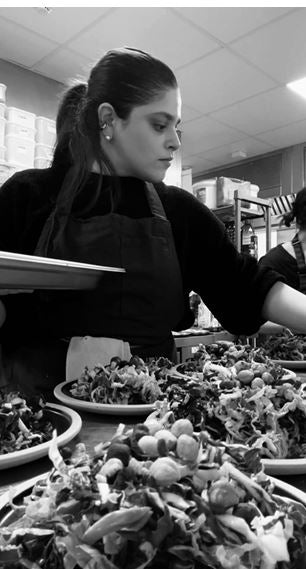
Wania Ahmed is a chef, researcher, and award-winning community organizer with a Master’s in Food Studies from NYU, focusing on the intersections of food, sustainability, and sociology. She has worked to create New Hampshire’s Food and Agriculture Strategic Plan in the US. Born and raised in Karachi, and having lived and worked in four different countries on food, Wania loves to learn about food from its people, places, and politics. She has recently moved to Toronto and is currently working as a researcher and supper club host, exploring the sociology of food, culinary traditions, and the relationships between food, culture, and society.