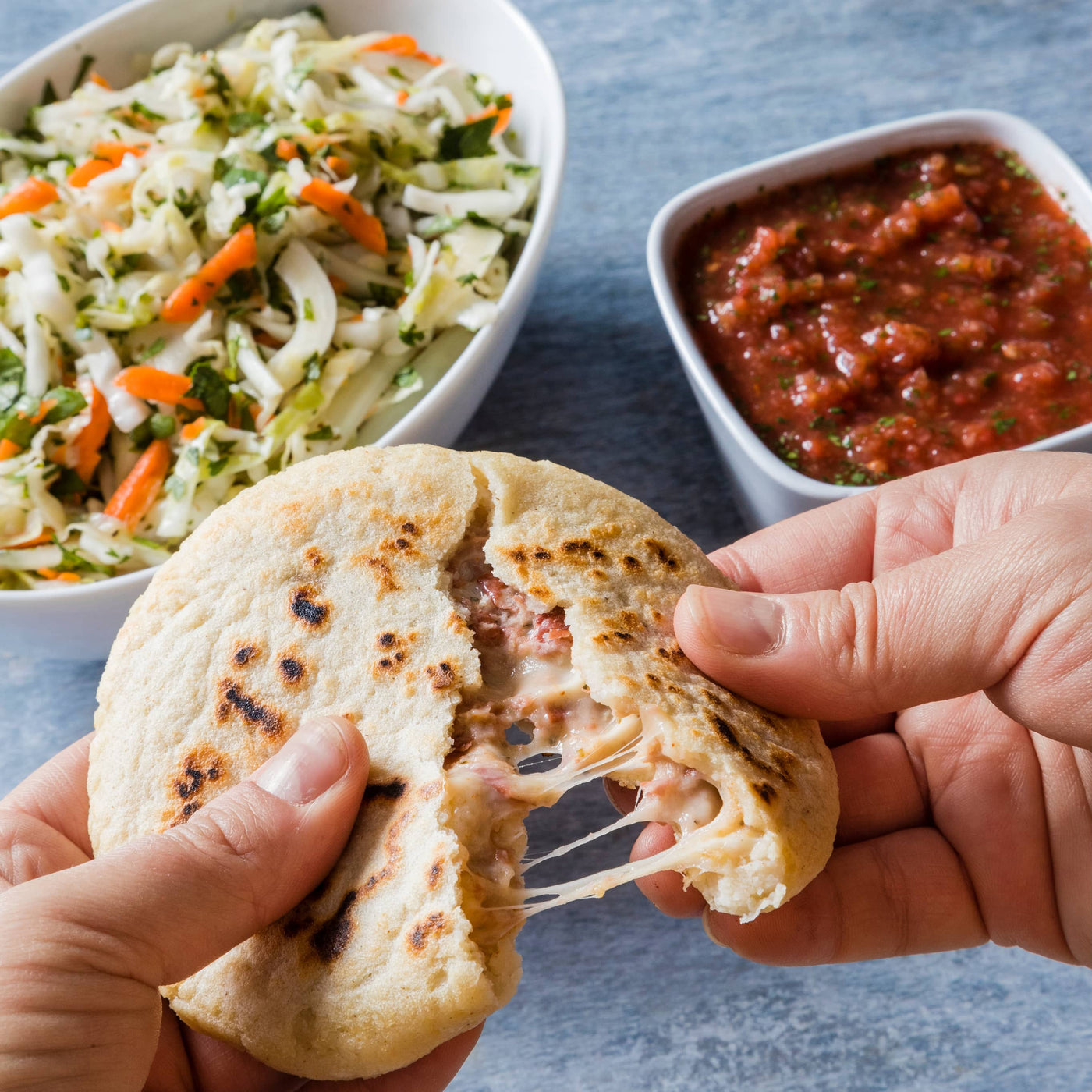
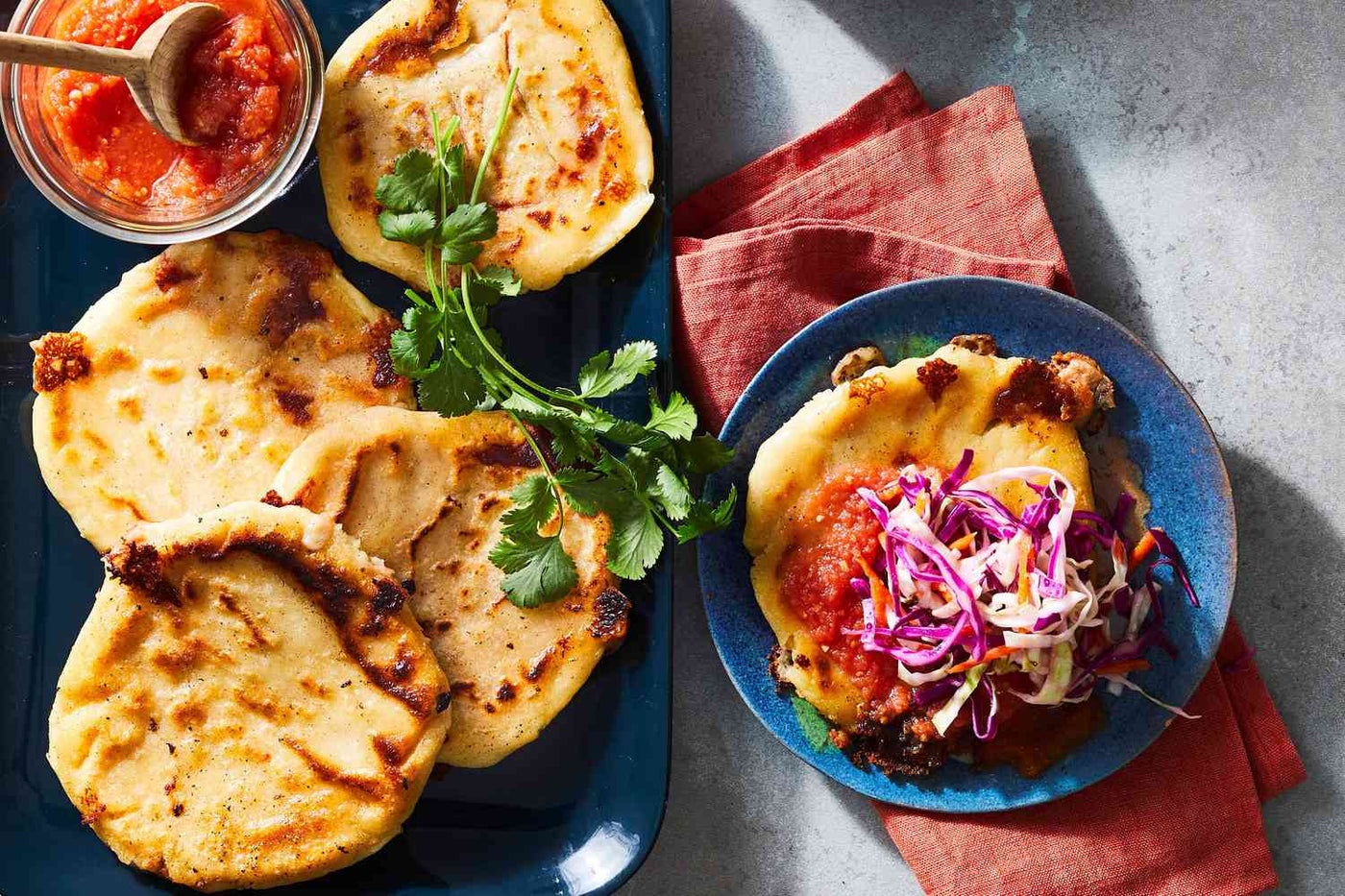
One might argue that what tacos are to Mexico, pupusas are to El Salvador: a ubiquitous, beloved street food, a source of national pride, and a delicious traditional dish with ancient pre-Colombian roots. Pupusas are a thick griddle cake made from masa (a nitxamlaized cornmeal dough), typically stuffed with some combination of cheese, beans, chicharrón, or squash. It is almost always served with curtido, a tangy, lightly fermented condiment that sits somewhere between a coleslaw and sauerkraut, and salsa roja, a seasoned tomato sauce.
The global commodification of corn by large corporations means that the vast majority of pupusas being prepared, especially outside of Latin America, are made with industrially processed instant corn masa flour. This can be likened to bread made using commodity white flour, an ingredient largely stripped of its identity, terroir, flavour and nutrition. In response, artisanal producers like Iván Wadgymar of Maizal are returning to heritage varietals and traditional processing techniques, along with zero-waste agricultural practices. This produces a higher quality, more authentic, and far more delicious product that honours this precious gift of nature and culture.
In this fun, hands-on class you will learn how to make two kinds of traditional pupusas from scratch — chicharron con queso (crispy pork cracklings & cheese) and frijoles con queso (beans & cheese, vegans can opt for beans only) — using more traditional, tastier and healthier freshly ground nixtamal masa made from heritage corn locally grown by Ivan himself. You’ll also learn the recipes for the classic curtido and salsa accompaniments. Each participant will get to make two pupusa to eat in class, and two to take home.
-----
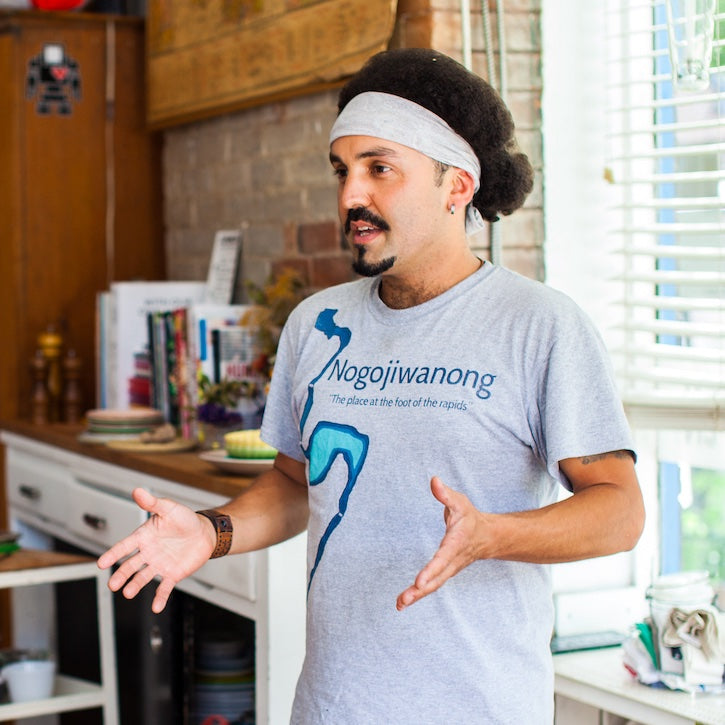
Iván Wadgymar has some unfamiliar job titles for a Torontonian: tortillero, molinero, and sembrador, each one taking him deeper into the heart of an ancient culinary tradition. As a tortillero, he runs Maizal Tortilleria making artisanal Mexican tortillas and totopos (aka tortilla chips) using locally grown organic corn. As a molinero he processes raw corn using the traditional nixtamal method that transforms it into the raw masa dough that is the foundation of much of indigenous Mesoamerican cooking, making it more digestible and nutritious in the process. As a sembrador (sower), he grows his own heirloom varietals of corn and other vegetables, herbs and spices in the sustainable permaculture tradition of the small milpa farms of Mexico. Together, he connects land, seed, process and product in a way that is a celebration of both our local terroir and his hispanic heritage, putting the culture back into agriculture. Along the way he both protects and reveals the unique flavours of a culinary tradition that is both ancient and very much alive. @maizalto
-----
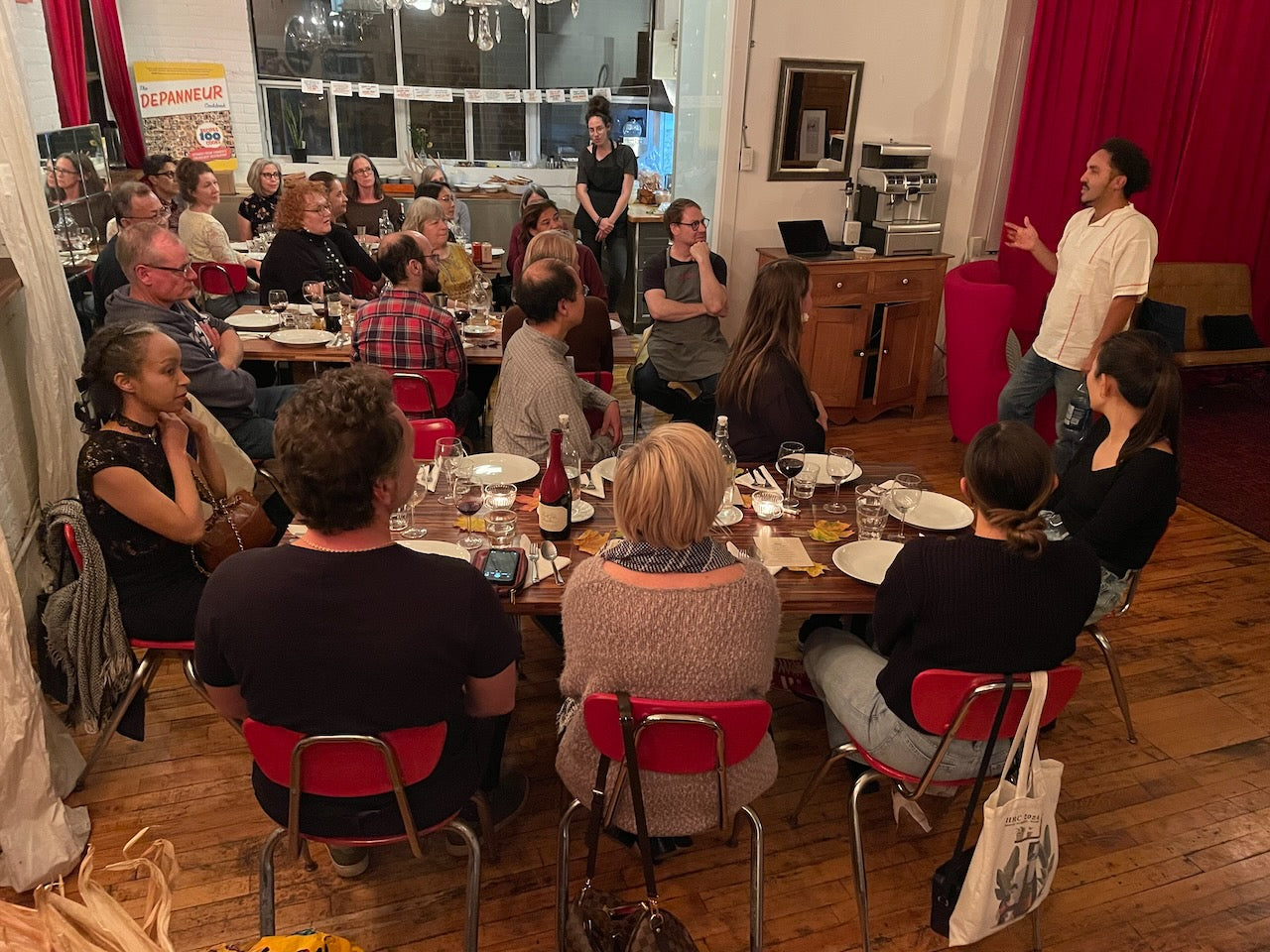
Every week, The Depanneur invites TO’s best culinary talents to lead fun, hands-on workshops.